Animator Robert Clampett presents a history of "Termite Terrace," the little shack on the Warner Brothers studio lot which in the 1930's and 1940's housed the animation unit which gave birth to Porky Pig, Daffy Duck and Bugs Bunny. Includes color and black-and-white home-movie-type footage shot at the time showing such animation greats as Clampett, Tex Avery and Chuck Jones. Also featured are nine complete Warner cartoons.
Filmed on the rooftops of lower Manhattan, this performance film features the original Last Poets performing 28 numbers adapted from their legendary Concept-East Poetry appearance at New York's Paperback Theater in 1969. Described as “a conspiracy of ritual, street theater, soul music and cinema."
This is the rare UK Channel 4 documentary about Blade Runner, giving insights into it's history with interviews of Ridley Scott, the writers and nearly all the cast. Interviews with production staff, including Ridley, give details into the creative process and turmoil during preproduction. Stories from Paul M. Sammon and Fancher provide insight into Philip K. Dick and the origins of Do Androids Dream of Electric Sheep? Interweaved are cast interviews with the notable exceptions of Harrison Ford and Sean Young. Through these interviews we get a sense of how difficult and frustrating the film was to make as a result of an exacting director without allies and hot, wet, smoggy conditions; which added to the high pressure atmosphere everyone increasingly felt as the film went over budget. There is also a tour of some locations, most notably the Bradbury Building and the Warner Brothers backlot that was the LA 2019 streets, which look very different from Ridley's dark version.
A fresh and revealing insight into Princess Diana through the personal and intimate reflections of her two sons and her friends and family.
Drama-documentary exploring the life of Jane Austen. Actor Anna Chancellor, a distant relative of Jane Austen, discovers the woman behind the acclaimed novels through readings and reconstructions. Location shots of her homes in Steventon and Chawton and extracts from adaptations of her work are also featured.
Follow 30 Seconds to Mars as they record their latest album, This Is War, and their battle against record label EMI.
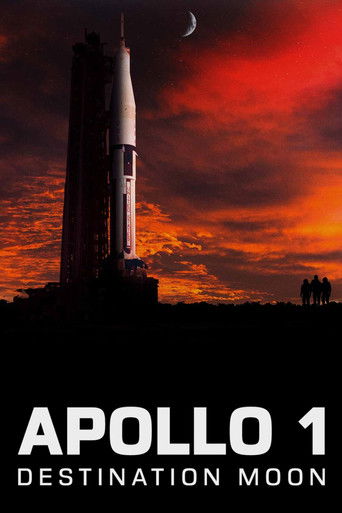
At the height of the space race, three U.S. astronauts are tapped as the first Apollo crew. With dazzling archival footage and exceptional access, this riveting documentary explores the tragic events that followed, shaking NASA to the core.
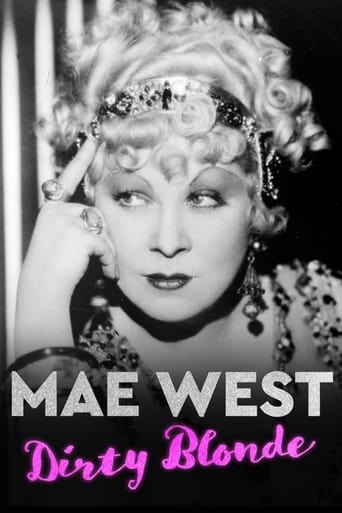
Mae West achieved great acclaim in every entertainment medium that existed during her lifetime, spanning eight decades of the 20th century. A full-time actress at seven, a vaudevillian at 14, a dancing sensation at 25, a playwright at 33, a silver screen ingénue at 40, a Vegas nightclub act at 62, a recording artist at 73, a camp icon at 85 - West left no format unconquered. She possessed creative and economic powers unheard of for a female entertainer in the 1930s and still rare today. Though a comedian, West grappled with some of the more complex social issues of the 20th century, including race and class tensions, and imbued even her most salacious plotlines with commentary about gender conformity, societal restrictions and what she perceived as moral hypocrisy. Mae West: Dirty Blonde is the first major documentary film to explore West's life and career, as she "climbed the ladder of success wrong by wrong" to become a writer, performer and subversive agitator for social change.
Documentary focusing on the Japanese Godzilla, featuring interviews with such people as Director Jun Fukuda, the wide of the late Ishiro Honda and Alex Cox. This documentary incorporates footage from rare shows like "Ultra Q" and films like "King Kong Escapes".
After Pearl Harbor Lt. James Stewart narrated this film to rouse American support for the war.
This short film showcases the city of Montreal on a summer's night. What was once a small Indian village is presented as a pot-pourri of contrasting sights and sounds. It is North America's second largest port and, after Paris, the world's largest French-speaking city. With its warehouses, offices, homes, clubs and amusement parks, the city serves as a bright backdrop for a happy couple out on the town.
Two lines of workers, pulling a steamroller, somewhere in the streets of Saigon, Vietnam (nowadays, Ho Chi Minh City).
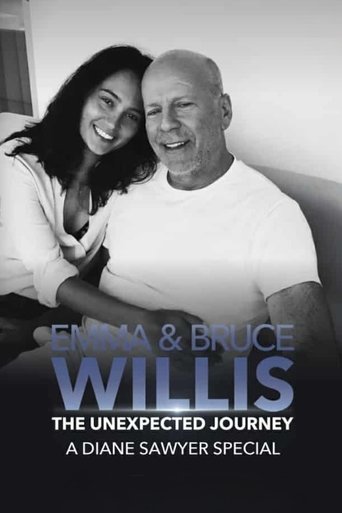
Hosted by Diane Sawyer, the program offers an intimate look at Bruce Willis’s life following his frontotemporal dementia diagnosis, and the strength and advocacy of his wife, Emma Heming Willis.
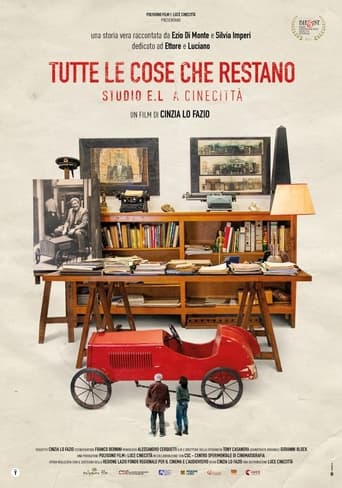
In a hidden corner of Cinecittà there is a magical place that no one knows about and that was about to disappear. It is STUDIO EL founded in 1983 by Ettore Scola and Luciano Ricceri. A creative space, a sort of Renaissance workshop, a factory. A place where the two great friends prepared their great films in Cinecittà, but where they gave the opportunity to many young people to grow and improve their professionalism. After the passing of Ettore Scola and Luciano Ricceri, time at Studio E.L stopped along with many objects that are the memory of almost 40 years of history of our cinema. Before Studio EL closes forever, becoming a museum space inside Cinecittà, we would like to give the objects it contains the value they deserve and tell their stories.
The film intertwines Roger Federer and Rafael Nadal's lives with their famed 2008 Wimbledon championship - an epic match so close and so reflective of their competitive balance that, in the end, the true winner was the sport itself.
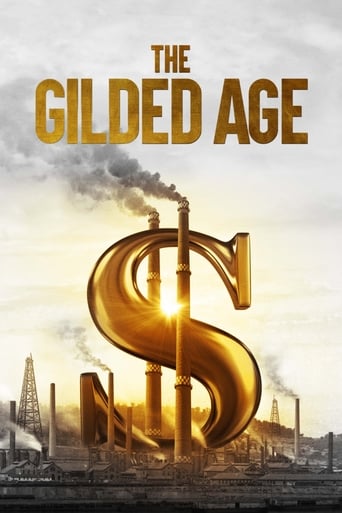
In the closing decades of the nineteenth century, during what has become known as the Gilded Age, the population of the United States doubled in the span of a single generation. As national wealth expanded, two classes rose simultaneously, separated by a gulf of experience and circumstance that was unprecedented in American life. These disparities sparked passionate and violent debate over questions still being asked in our own times: How is wealth best distributed, and by what process? Does government exist to protect private property or provide balm to the inevitable casualties of a churning industrial system? The outcome of these disputes was both uncertain and momentous, and marked by a passionate vitriol and level of violence that would shock the conscience of many Americans today.
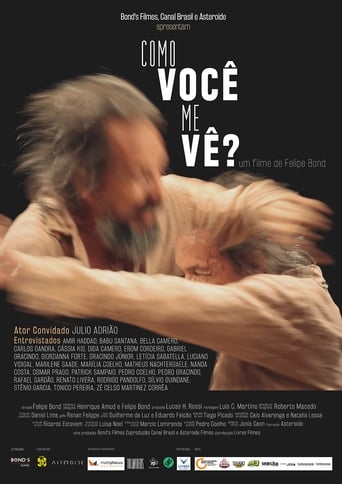
How Do You See Me? is a Brazilian documentary feature that entwines both experienced actors and beginners to explore the hardships and the happiness that are inherent to the job when detached from the glam and glitz of the gossip industry, creating a diverse and comprehensive mosaic of what it means to be an actor in Brazil, a country so full of contradictions. The film brings forward a reality that the masses usually don't get to know: the men and women moved by a deep passion for acting and touching people. With Julio Adrião, Matheus Nachtergaele, José Celso Martinez, Cássia Kis, Nanda Costa, Babu Santana, Luciano Vidigal and Letícia Sabatella, among others.
In the early fifties Ingmar Bergman got himself a cine-camera, a 9.5 mm Bell & Howell, which he often used both privately and in his work. "Bilder från lekstugan" ("Images from the Playground") embark on these films, giving a diverse representation of one of the greatest artists in cinema.
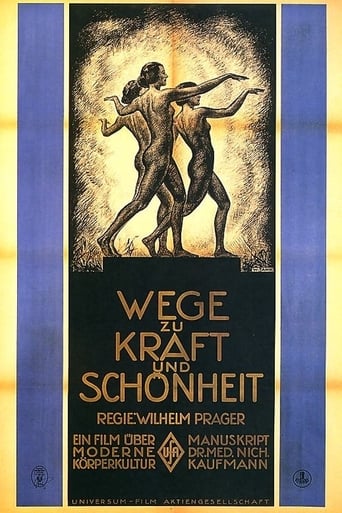
The perfect body as an object of cult worship. Based on the mass sports and body worship movement of the 1920s, the film propagates physical training and shows in stylized documentary scenes aspects of physical hygiene, gymnastics, sports and dancing as well as scenes in which supposed sportsmen of antiquity pose naked.
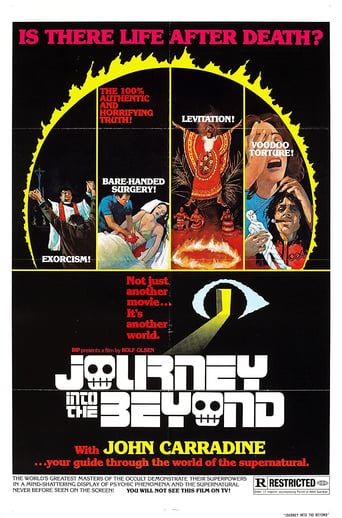
Mondo-style shockumentary about various aspects of the occult and paranormal. An investigation into the fringes of psychic spirituality with so-called experts, it includes demonic possession, exorcism, seances, Voodoo ceremonies, hypnotism, ESP, psychic surgery, and more. A warning bell alerts squeamish viewers to avert their eyes from the more graphic scenes.
Activate your FREE Account!
You must create an account to continue watching