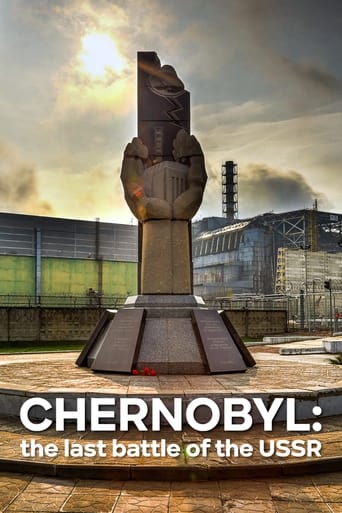
Three decades after the nuclear explosion, almost everything has been said about this ecological and sanitary disaster that made Pripiat a part of History. How did the greatest industrial disaster change the course of History, disrupt global geopolitics and, directly or indirectly, redistribute the balances and power relations of the twentieth century? The world will never be the same again. By retracing the incredible battle waged by the Soviet Union against radiation, this film proposes to retrace and enlighten an extraordinary story, while exploring the historical stakes in the medium and long-term…
Director Peter Joseph examines examples of economic subjugation and offers solutions based on alignment with nature.
10th Anniversary “Miss You Much Leslie” memorial concert held in 2013, commemorating the death of Leslie Cheung in 2003.
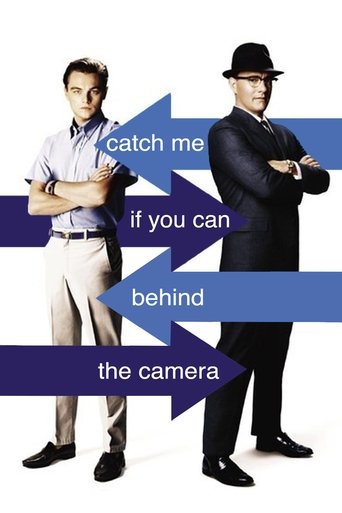
A behind-the-scenes look at the making of Stephen Spielberg's "Catch Me If You Can."
Documentary charting the raucous history of the infamous spring vacation revelries in Daytona, which started in the early 60s, and by the 1980s led to the arrival of tens of thousands of college students, lured by lust, booze, fun in the sun and eventually, the hope to make it onto MTV.
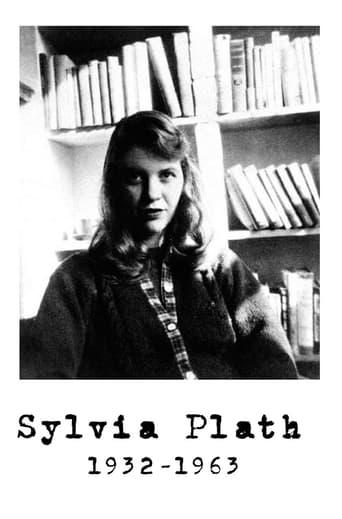
Sylvia Plath Read 18 Poems From Her Final Collection, Ariel, in a 1962 Recording
The opening of the Picasso-National Museum in Paris granted a unique chance for Didier Baussy to document the precious collection in the museum in 81-minutes of film. The museum shows paintings held back by Picasso himself which have been very valuable for his connection to the world and his memories. A sensitive Analysis of these pictures dominantly from the Guernica-phase, grant a deep insight into the history of this artist and man Picasso, a geographical location of the scenes and a glimpse of his sources of inspiration.
A life documentary of a woman who was shunned for being possessed by spirits as a girl, oppressed for following superstitions as an adult, how she grows to be a great shaman who embraces the pain of all people, and how she comes to be honored as a national treasure of Korea with her outstanding artistic talents throughout Korea's tumultuous history.
An examination of the Oscar-winning director who brought to life some of cinema's most beloved motion pictures.
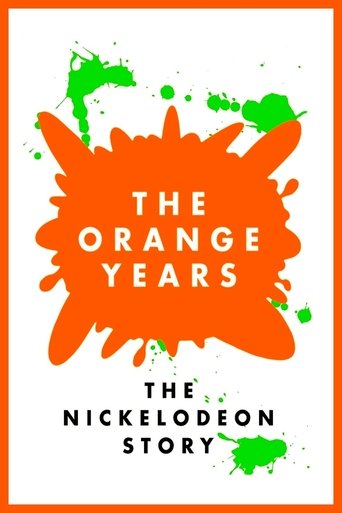
A journey behind the scenes of the Nickelodeon television network to chronicle its unprecedented success, from its humble origins as a small local channel to its status as an international phenomenon that helped shape an entire generation of children.
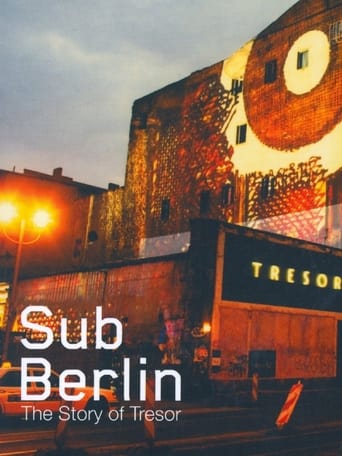
The original Tresor was in many ways the quintessential Berlin club: located in an unrenovated vault beneath a bombed out department store, it opened its doors amidst the general confusion and ecstasy that swept across the city when the wall fell. Its low ceilings, industrial decor and generally unhinged atmosphere created an unprecedented platform not only for techno in Berlin, but also for the scene taking shape across the Atlantic in Detroit.
As glam rock's most flamboyant survivors, X Japan ignited a musical revolution in Japan during the late '80s with their melodic metal. Twenty years after their tragic dissolution, X Japan’s leader, Yoshiki, battles with physical and spiritual demons alongside prejudices of the West to bring their music to the world.
A study in the world of hip-hop, done mostly with interviews, in order to see why it is as popular as it is today and what the future holds.
Nearly every major element of making the 1991 film Thelma & Louise is examined here from how the script was written to how Ridley Scott got involved, to how the big tanker explosion was pulled off. Some funny stories are shared and some great trivia as to what was improvised on set and actually left in the film.
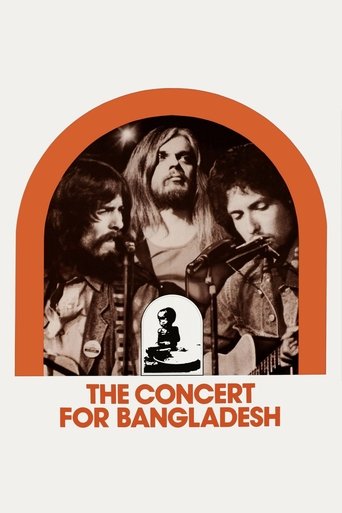
A film about the first benefit rock concert when major musicians performed to raise relief funds for the poor of Bangladesh. The Concert for Bangladesh was a pair of benefit concerts organised by former Beatles guitarist George Harrison and Indian sitar player Ravi Shankar. The shows were held at 2:30 and 8:00 pm on Sunday, 1 August 1971, at Madison Square Garden in New York City, to raise international awareness of, and fund relief for refugees from East Pakistan, following the Bangladesh Liberation War-related genocide.
Director Sam Pollard constructs a portrait of charismatic trailblazer Maynard Jackson, who became Atlanta’s first black mayor in 1973. The son of pastors raised in the segregated South, Jackson entered college at 14 and took office at 35. During his three-term tenure, he led the city through the traumatic Atlanta child murders scare and triumphantly hosted the 1996 Olympics, all while championing racial equality. Family and colleagues, including Bill Clinton, Andrew Young and Al Sharpton, tell the epic story of a dynamic leader and his legacy of honor and progress.
In 1906, Georges Braque and Pablo Picasso were 24 and 25 years old. The Butte Montmartre is their Parisian sanctuary where artists in need of recognition meet. Braque and Picasso become friends to the point of never leaving each other. For the moment, their paintings do not interest many people; only Apollinaire, then aged 26, and the young gallery owner Daniel-Henry Kahnweiler, 22, saw immense potential in them. And in addition to their passion for painting, these four inseparable boys share the same appetite for modernity. Collages, diversions of materials and geometrization of forms: cubism opened the way to abstraction. A revolution initiated by Picasso and Braque, which profoundly changed the course of the history of modern art.
The Dreamers (1985) is a posthumous short film assembled by Oja Kodar from unfinished footage directed by Orson Welles in 1982. Edited after Welles’s death, the film derives from fragmentary material intended for an uncompleted adaptation of stories by Isak Dinesen. The 1985 version represents an editorial assembly rather than a completed work authored by Welles, presenting selected footage in a reconstructed form for archival circulation. (Note: This is a posthumous editorial reconstruction. The original 1982 project exists separately as an unfinished Welles work and was never completed or released by him.)
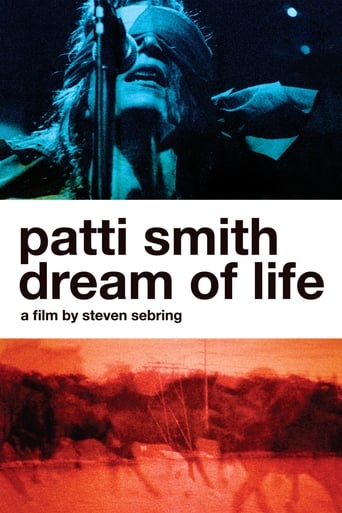
An intimate portrait of poet, painter, musician and singer Patti Smith that mirrors the essence of the artist herself.
When Howard Brookner lost his life to AIDS in 1989, the 35-year-old director had completed two feature documentaries and was in post-production on his narrative debut, Bloodhounds of Broadway. Twenty-five years later, his nephew, Aaron, sets out on a quest to find the lost negative of Burroughs: The Movie, his uncle's critically-acclaimed portrait of legendary author William S. Burroughs. When Aaron uncovers Howard's extensive archive in Burroughs’ bunker, it not only revives the film for a new generation, but also opens a vibrant window on New York City’s creative culture from the 1970s and ‘80s, and inspires a wide-ranging exploration of his beloved uncle's legacy.
Activate your FREE Account!
You must create an account to continue watching