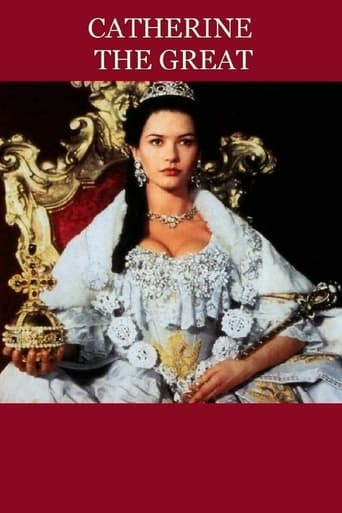
Trapped in a loveless arranged marriage to the immature future Czar, a young German Princess proves a skillful political infighter and rises to become Catherine the Great.
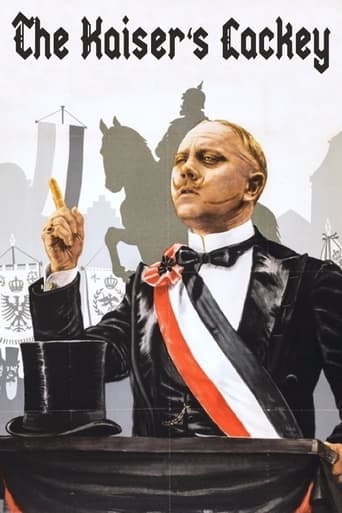
Diederich Heßling is scared of everything and everyone. But as he grows up, he comes to realize that he has to offer his services to the powers-that-be if he wants to wield power himself. His life motto now runs: bow to those at the top and tread on those below. In this way, he always succeeds: as a student in a duel-fighting student fraternity and as a businessman in a paper factory. He cajoles the obese district administrative president Von Wulkow and wins his favor. He slanders his financial rivals and hatches a plot with the social democrats in the town council. On his honeymoon with his rich wife Guste, he finally finds a chance to do his beloved Kaiser a favor. And when a memorial to the Kaiser is unveiled in the town where Diederich lives and works, he delivers the address. He stands behind the lectern in the pouring rain, saluting his Kaiser. The crowd is dispersed. Everything is laid in ruins...
While Old England is being ransacked by roving Danes in the 9th century, Alfred is planning to join the priesthood. But observing the rape of his land, he puts away his religious vows to take up arms against the invaders, leading the English Christians to fight for their country. Alfred soundly defeats the Danes and becomes a hero. But now, although Alfred still longs for the priesthood, he is torn between his passion for God and his lust for blood.
Barabbas or Jesus Barabbas (literally "son of the father" or "Jesus, son of the father" respectively) is a figure in the account of the Passion of Christ, in which he is the insurrectionary whom Pontius Pilate freed at the Passover feast in Jerusalem, instead of Jesus Christ.
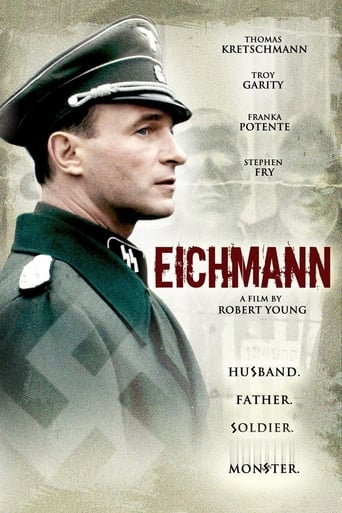
Based upon the final confession of Adolf Eichmann, made before his execution in Israel, of his role in Hitler's plan for the final solution.
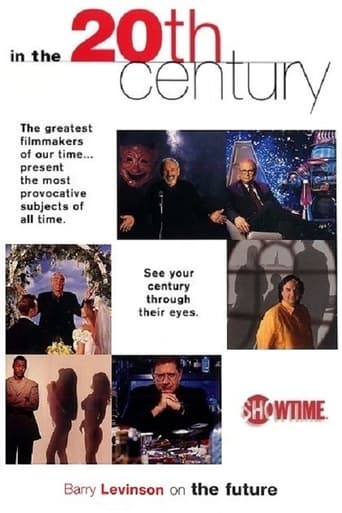
Showtime's "In the 20th Century" is a millennium-related strand of feature-length documentaries in which famous directors take on major subjects of their choosing. In the third of the six films, "Yesterday's Tomorrows," filmmaker Barry Levinson delves into what we, as Americans, thought the future would be as we traveled through the 20th century. Houses and cars of the future, the promise of technology, and the other hopes and dreams of the early part of the century gave way to the fears and anxieties brought about by the atomic age and the Hollywood disaster films that followed. Soon we wondered if we could control technology, or if it would control us. This film is by turns light-hearted and thoughtful, and rare historical and archival film, produced by government and industry, alternates with on-screen interviews with people as diverse as consumer advocate Ralph Nader, cartoonist Matt Groening, futurist Alvin Toffler, comedienne Phyllis Diller, and actor Martin Mull.
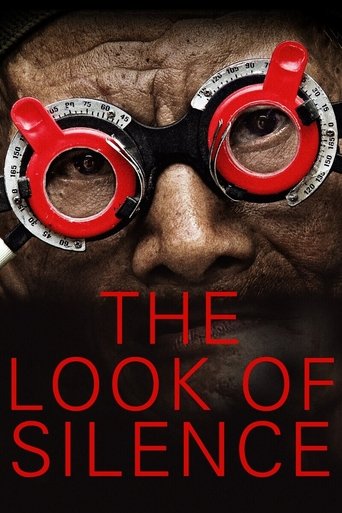
An Indonesian man with a communist background named Ramli was brutally murdered when the "Communist" purge occurred in 1965. His remaining family members lived in fear and silence until the making of this documentary. Adi, a brother of his, decided to revisit the horrific incident and visited the men who were responsible for the killings and one survivor of the purge. These meetings uncovered sadistic details of the murders and exposed raw emotions and reactions of the killers' family members about what happened in the past - much to Adi's disappointment.
During the 18th century, German noblewoman Sophia Frederica, who would later become Catherine the Great, travels to Moscow to marry the dimwitted Grand Duke Peter, the heir to the Russian throne. Their arranged marriage proves to be loveless, and Catherine takes many lovers, including the handsome Count Alexei, and bears a son. When the unstable Peter eventually ascends to the throne, Catherine plots to oust him from power.
The new owner of a brilliant race horse finds love while carrying out his revenge on the man who murdered his father.
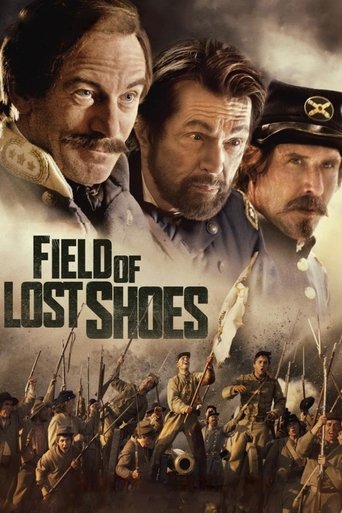
A group of teenage cadets sheltered from war at the Virginia Military Institute must confront the horrors of an adult world when they are called upon to defend the Shenandoah Valley.
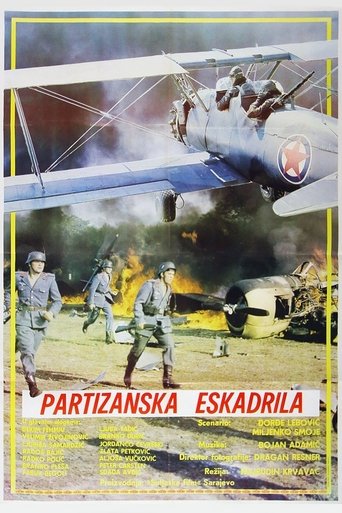
The first Yugoslav Partisan air force unit. Loosely based on historical facts.
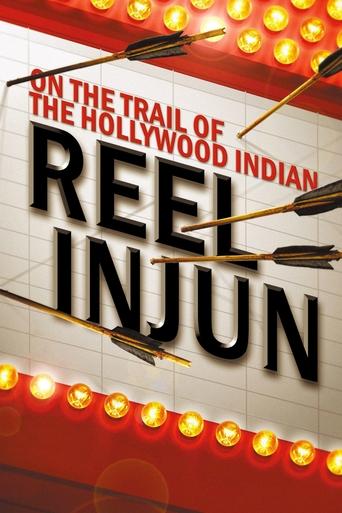
The evolution of the depiction of the various Native American peoples in cinema, from the silent era to the present day: how their image on the screen has changed the way to understand their history and culture.
The true life story of the rise to power of Glasgow gangster Paul Ferris.
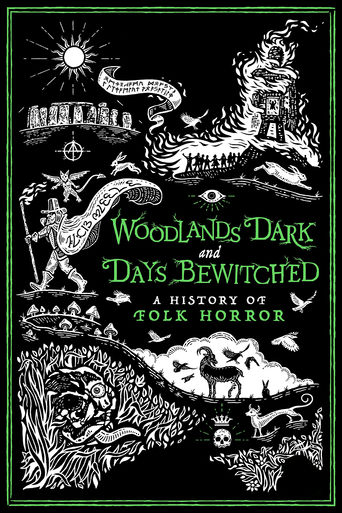
An exploration of the cinematic history of the folk horror, from its beginnings in the UK in the late sixties; through its proliferation on British television in the seventies and its many manifestations, culturally specific, in other countries; to its resurgence in the last decade.
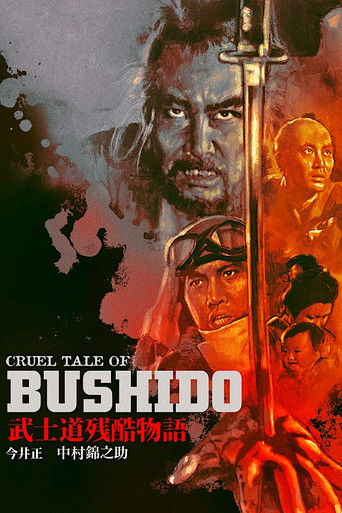
After a salary-man's fiancée attempts suicide, he recounts his gruesome family history which saw generations of his ancestors suffer and sacrifice themselves for the sake of their cruel lords.
The myth of the Sun Goddess who founded Japanese society is seen through the lens of a modern view of history.
The 14th of June 1941, Soviet-occupied Latvia. Without warning, the authorities break into the house of Melanie and her husband Alexander, and force them to leave everything behind. Together with more than 15 000 Latvians, Melanie and her son get deported to Siberia. In her fight against cold, famine and cruelty, she only gains new strength through the letters she writes to Alexander, full of hope for a free Latvia and a better tomorrow.
This movie covers the final hour leading up to the Columbine High Massacre. On April 20, 1999, two boys from Columbine High School in Colorado embarked on a massacre and killed 12 students, one teacher, and injured 21 other students, before turning the guns on themselves.
Activate your FREE Account!
You must create an account to continue watching