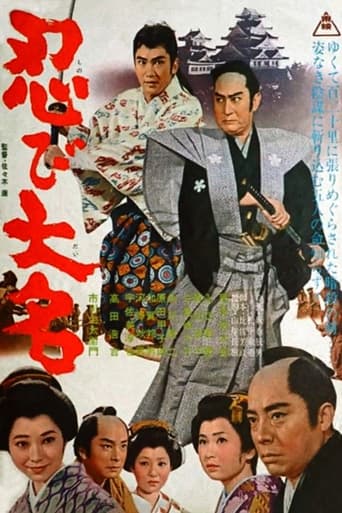
Maeda Tsunanori, the lord of Kaga Domain, had two young princes - Katsumaru, the son of his legitimate wife, who died, and Yasunosuke, the son of his concubine. However, Katsumaru suddenly lost his mind and appealed to the shogunate to hand over the reins of the family Yasunosuke, but the request was rejected. Vassal Osawa Kuranojo suspects that this is the work of Ishikawa Torajiro, a swordsman from the Katsumaru group, and begins an investigation.
The story of what daily life was like in Poland under communism: private conversations, cruel interrogations, recruitment attempts, recorded and filmed with hidden devices; of how the secret services spied on every activity of ordinary citizens: nothing escaped the brutal system of control developed by the Soviets in the name of freedom.
How can the masses be controlled? Apparently, the American publicist Edward L. Bernays (1891-1995), a pioneer in the field of propaganda and public relations, knew the answer to such a key question. The amazing story of the master of manipulation and the creation of the engineering of consent; a frightening true story about advertising, lies and charlatans.
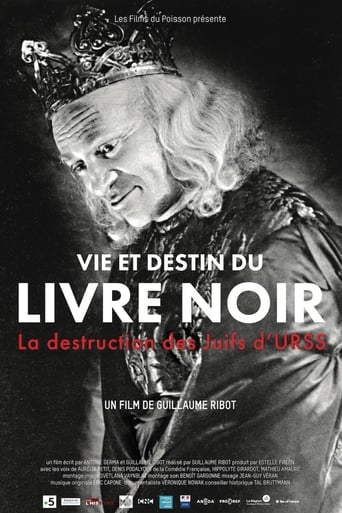
The Black Book, drafted during World War II, gathers numerous unique historical testimonies, in an effort to document Nazi abuses against Jews in the USSR . Initially supported by the regime and aimed at providing evidence during the executioners’ trials in the post-war era, the Black Book was eventually banned and most of its authors executed on Stalin’s order. Told through the voices of its most famous instigators, soviet intellectuals Vassilli Grossman, Ilya Ehrenburg and Solomon Mikhoels, the documentary, provides a detailed account of the tragic destiny of this cursed book and puts the Holocaust and Stalinism in a new light.
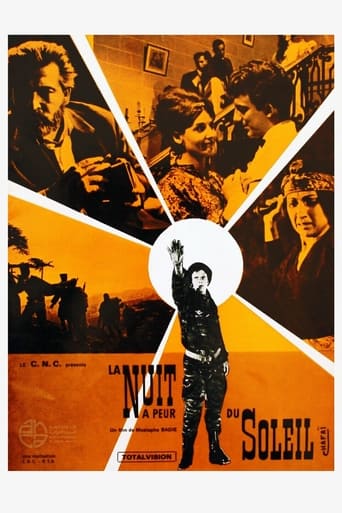
Historical film in four scenes which retrace the returns, the progress and the outcome of the war of liberation in Algeria. The first painting, “The land was thirsty” describes aspects of injustice and colonial oppression. The second “The Paths to the Prison” recounts the sufferings of the people engaged in combat. The last two are the stories of two lives.
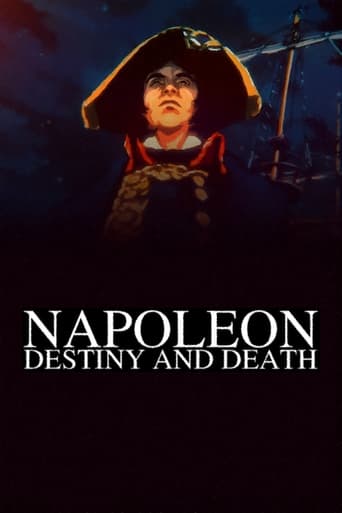
May 5, 1821. Napoleon Bonaparte, deposed emperor exiled on the island of St. Helena, is about to take his last breath. The son of a Corsican family, he has been close to death on many occasions since, as a young captain in the revolutionary army, he seized Toulon from the royalists in 1793.
Several times president of the Council, at the end of the 1930s Pierre Laval became one of Marshal Pétain's strongmen, a loyal collaborator for the Germans. Rounding-up Jews, forced labour, tracking the French resistance..., he served Hitler faithfully to the end. When France was liberated, he was tried, condemned, shot.
A French sailor, imprisoned for years on false charges of conpiring against the king, escapes and exacts revenge on his accusers.
The life story of Argentine sculptress Lola Mora.
Spain, April 14, 1931. The Second Republic is born. From the beginning, the writer Miguel de Unamuno is considered one of the ethical pillars of the new regime. Five years later, on December 31, 1936, a few months after the outbreak of the Spanish Civil War (1936-39), Unamuno dies at his home in Salamanca, capital of the rebel side, led by General Francisco Franco, and main center of dissemination of its propaganda apparatus.
An attempt to bring the famous novel by Dumas to the cinema, where the promenades of Montevideo such as Parque Rivera and the Castillo del Parque Rodó are transformed into French settings.
A young peasant is forced to flee for killing involuntarily an abusive guard. After an entire year hiding in a remote fishing island, he decides to return to his countryside and reunite with his wife and daughters.
Cholera: Path. Acute, infectious disease, often epidemic and very serious.
The 1967 'Six-Day' war ended with Israel's decisive victory; conquering Jerusalem, Gaza, Sinai and the West Bank. It is a war portrayed, to this day, as a righteous undertaking - a radiant emblem of Jewish pride. One week after the war, a group of young kibbutzniks, led by renowned author Amos Oz, recorded intimate conversations with soldiers returning from the battlefield. The recording revealed an honest look at the moment Israel turned from David to Goliath. The Israeli army censored the recordings, allowing the kibbutzniks to publish only a fragment of the conversations. 'Censored Voices' reveals the original recordings for the first time.
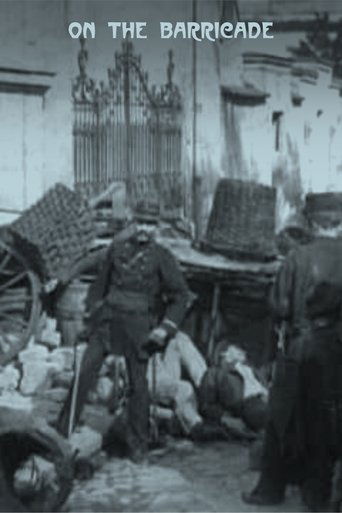
During the Paris Commune, a boy runs across trouble at the barricade. The film is now attributed to Alice Guy-Blaché by the Gaumont company, although there is some debate about whether it was directed by Étienne Arnaud.
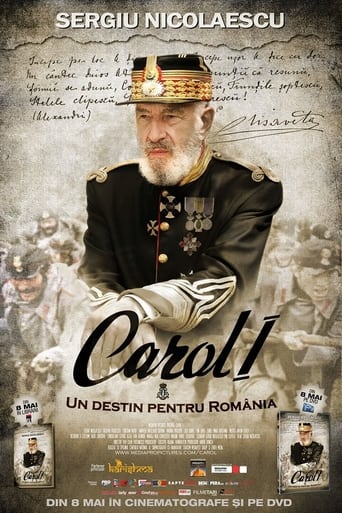
The last days of the first Romanian king, Carol I of Hohenzollern-Sigmaringen, and the tough decisions he had to make in the summer of 1914 in order to please both Romanian Parliament and his relatives from the German Empire.
The story of the complete Ramayana, from the birth of Lord Rama to his Pattabhisheka after completing his exile.
The film chronicles the events of a village on the Czech-Austrian border from the 1930s to 1950s, where genocide occurred due to fallout between German citizens and Czechs who collaborated with the Nazi regime during the war.
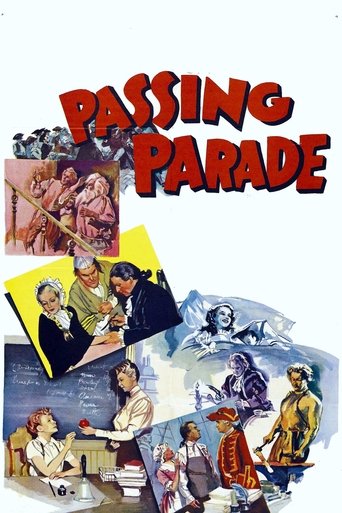
This Passing Parade series entry looks at three instances of people who either caused or were the victims of errors.
Activate your FREE Account!
You must create an account to continue watching