From a small town in northern Michigan to the mountains of Afghanistan, "Where Soldiers Come From" follows the journey of childhood friends who join the National Guard after graduating from high school. It chronicles the young men's transformation from teenagers to soldiers to 23-year-old combat veterans. The film offers an intimate look at the young men who fight our wars.
Theodore Ushev’s acclaimed 20th century trilogy concludes with this brilliant fusion of 3D and Russian constructivist-styled animation. Recycling elements of surrealism and cubism, this animated short by Theodore Ushev focuses on the relationship between art and war. Propelled by the exalting “invasion” theme from Shostakovich’s Leningrad Symphony (No. 7), the film presents imagery of combat fronts and massacres, leading us from Dresden to Guernica, from the Spanish Civil War to Star Wars. It is at once a symphony that serves the war machine, that stirs the masses, and art that mourns the dead, voices its outrage and calls for peace.
The War in Color draws on unique color material from German, British, Russian and American archives. For the first time, 35mm color footage of the war in France in 1940, unknown images from the Norway campaign and impressive scenes from the advance in the Soviet Union in 1941/42 are shown here. The whole madness of the Second World War comes frighteningly close with these color recordings, in a way that is hardly possible from the stories of those involved at the time.
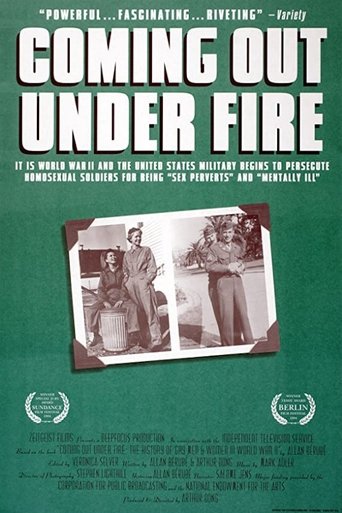
A historical account of military policy regarding homosexuality during World War II. The documentary includes interviews with several homosexual WWII veterans.
The haunting experiences of Dutch U.N. peacekeepers are woven together by the powerful influence music has had on their endurance, survival, and memories of war. This documentary is filled with close-up interviews, scrapbook photographs, video clips, news footage, letters read aloud, and other recollections, as different generations of Dutch peacekeeping soldiers recount the trauma of bloodshed from Korea to more recent events in Rwanda and the former Yugoslavia. Their trusting, and often disturbing, personal revelations resound most poignantly when they talk about the single pieces of music that each found powerful enough to keep insanity at bay.
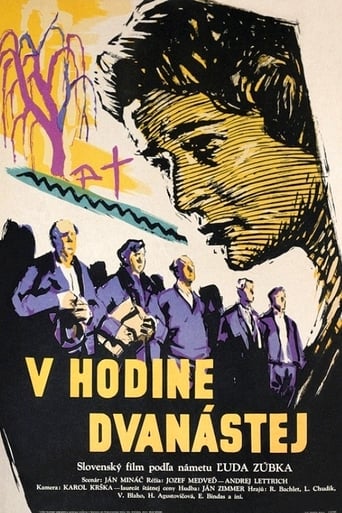
Nazi soldiers committed atrocities even when sober – and if they got drunk, they did even worse. The inhabitants of a Slovak village during the national uprising learn this when they have to accept an arrogant Hitlerite guard. When two soldiers go missing, the unit commander threatens to have five hostages executed for each of them as a warning. And he refuses to change his order, even when it turns out that drunkenness is to blame for the unfortunate incident. But the villagers get justifiably angry and take up arms.
This film of three parts recalls memories from World War II. The titles of the parts are: Impartially, Terrified and Like a scream.
The film depicts a romance set against the backdrop of the Korean War.
A squad of young fresh American soldiers are sent to Vietnam. Immediately upon their arrival, they are sent on a very hazardous mission into the jungle losing a couple of them on the way. As soon as they return to camp they have no time to rest and are sent out again on a long jaunt to destroy a V.C. village. After destroying the village they embark on the journey back to camp
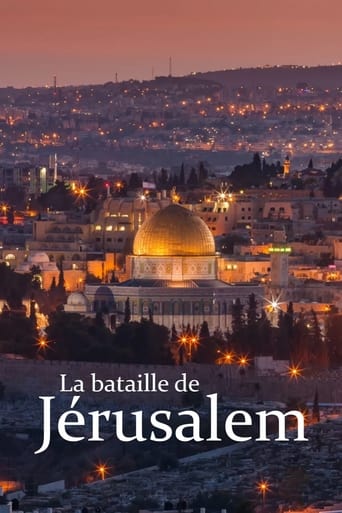
This documentary, filmed after October 7, places recent events in context and retraces the extraordinary history of this region to shed light on the present, interviewing actors and witnesses to this conflict: Islamists, Jewish nationalists, imams, rabbis, intellectuals, urban planners, soldiers, etc.
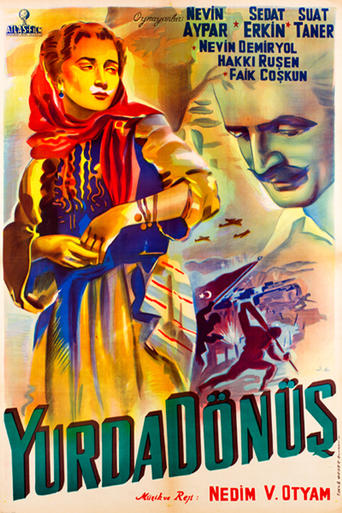
In December 1948, an unofficial truce between the Democratic Army and the National Army enables the soldiers to share a human, touching moment before returning to the barbarous reality of the eternally divided Greeks.
The dance film When the Night Falls tells the story of a woman fleeing the horrors of a collapsing society in the near future. Along the way, she encounters people on whose trust her entire future depends on.
Tamás, on leave from the front line, and Mária, a red-cross nurse, spend an unforgettable night together in the aftermath of Tamás's disappointment at the unfaithfulness of his fiancée.
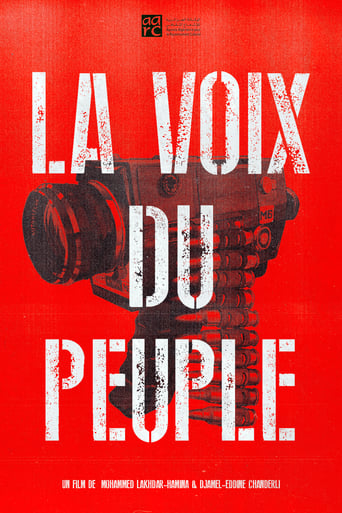
“La Voix du Peuple,” composed of archival photographs by René Vauthier and others, exposes the root causes of the armed conflict of the Algerian resistance. Participating in a war of real images against French colonial propaganda, these images aimed to show the images that the occupier had censored or distorted, by showing the extortions of the French occupation army: torture, arrests and arbitrary executions, napalm bombings, roundabout fires, erasing entire villages from the map, etc. This is what the French media described as a “pacification campaign”.
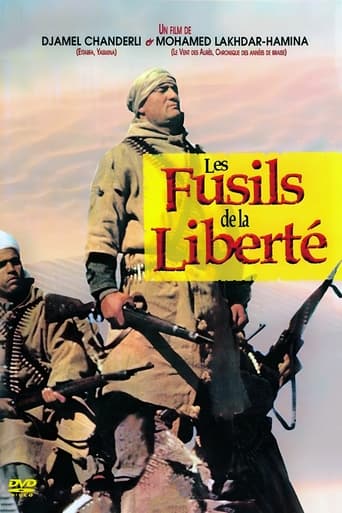
This docu-fiction recounts the difficulties overcome by an ALN detachment whose perilous mission is to transport weapons and ammunition from Tunisia across the Algerian Sahara during the Algerian liberation war (1954-1962) against the French army of occupation.
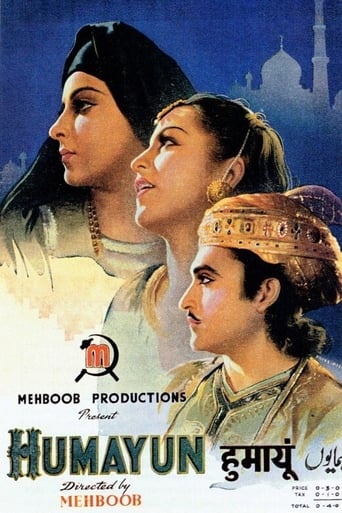
The film follows Humayun’s rise to the throne, his struggles to maintain the empire, and his conflicts with rivals—especially Sher Shah Suri, who defeats him and forces him into exile. Amid political upheaval and personal loss, the story also explores Humayun’s relationships, particularly with his noble wife Hamida Banu. Eventually, with Persian support, he regains his empire, but his triumph is short-lived, as his reign ends with a fatal accident.
It is 1995. Mahir is a 38-year-old refugee from Bosnia, with unknown history, living in the hotel Pula, modified into a refugee centre. His days are monotonous and empty, and his history is unknown. A spark of life comes when Una, a young girl from Pula, is drawn to him. Until the past catches up with him.
Activate your FREE Account!
You must create an account to continue watching